November 4, 2026
Indoor climate control systems represent the primary line of defense against stifling summer temperatures, elevated humidity levels, and stagnant indoor environments. When temperatures soar, homeowners rely heavily on cooling units to maintain refreshing, consistent temperatures across every living space. Because modern cooling equipment functions as a complex assembly of mechanical components, electrical circuitry, and chemical refrigerants, continuous operation places substantial physical demands on the entire apparatus. Over time, normal operation creates internal friction, thermal stress, and particulate buildup that gradually degrade overall mechanical performance. Neglecting regular checkups allows minor wear to escalate into severe operational problems that shorten the overall lifespan of the system.
Committing to proactive AC maintenance provides property owners with an effective strategy for safeguarding their cooling equipment against premature failure. Regular evaluations allow skilled technicians to inspect critical assemblies, calibrate delicate electrical sensors, lubricate spinning bearings, and wash away accumulated grime before internal damage takes hold. Rather than waiting for a complete mechanical shutdown in the middle of a sweltering heat wave, maintaining a consistent care schedule keeps the entire apparatus operating smoothly. By taking thoughtful steps to preserve system health, homeowners protect their household comfort and ensure that cooling equipment continues functioning reliably across many demanding cooling seasons.
Preserving Critical Mechanical Components
The interior architecture of a central cooling unit contains dozens of moving parts that endure intense mechanical tension during hot weather. The compressor, blower motor, fan blades, and expansion valves must work in continuous harmony to absorb indoor heat and exhaust it outdoors. Within the motor assembly, spinning shafts rely on specialized lubricants to reduce friction between internal metal surfaces. Over months of steady operation, lubricating oils break down, dry out, or become contaminated with dust, creating metal-on-metal friction that accelerates hardware erosion. Unchecked friction leads to overheating, unwanted vibration, and eventual motor seizure.
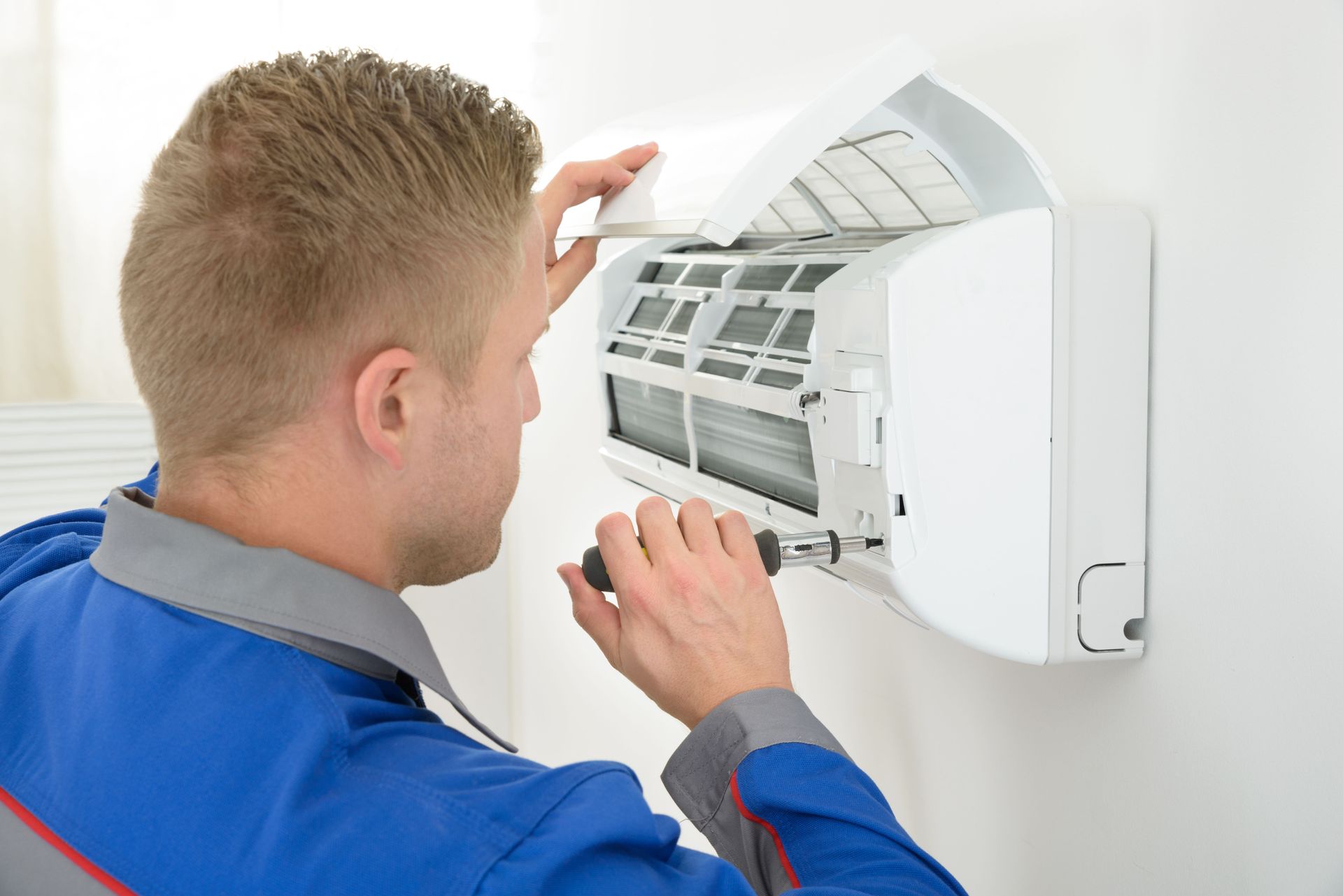
Scheduled AC maintenance addresses these mechanical vulnerabilities before they cause permanent internal damage. During a standard service visit, qualified technicians clean motor housings, replenish specialized synthetic lubricants, and measure motor electrical draw to verify that internal components operate within factory safety parameters. Technicians also evaluate fan belt tension and inspect mechanical bearings for subtle signs of wobble or grinding. By keeping moving parts lubricated and aligned, routine upkeep preserves mechanical tolerances, minimizes physical wear, and ensures that the hardest-working parts of your system endure through years of heavy cooling demands.
Reducing Daily Operational Strain
When an air conditioner operates with dirty components, restricted airflow, or misaligned sensors, it must exert far greater effort to achieve the desired thermostat settings. Restricted airflow forces the blower fan to pull harder against resistance, generating excess heat inside the electrical windings and stressing the motor capacitor. Similarly, when outdoor condenser coils become choked with lawn clippings, leaves, and airborne dust, the heat transfer process slows dramatically. The compressor must then run longer, hotter cycles to push heat away from the building, creating compounding wear on internal valves and electrical connections.
Prioritizing consistent AC maintenance relieves this chronic operational strain by restoring unhindered airflow and thermal conductivity throughout the system. Technicians clear away physical blockages from the outdoor condensing unit, straighten bent aluminum cooling fins, and clean evaporator coils using specialized cleansing solutions. Relieving unnecessary resistance allows air to circulate freely across the cooling coils and permits rapid heat dissipation into the outside atmosphere. When cooling cycles operate smoothly and finish quickly, the system experiences far less operational fatigue, dramatically reducing the likelihood of catastrophic component burnout.
Improving Indoor Air Circulation
A cooling system does not merely lower indoor air temperature; it also dehumidifies indoor living areas and pulls airborne debris through filtration media. When air filters, blower wheels, and interior duct connectors gather heavy layers of airborne pollen, pet dander, and household dust, air circulation slows to a crawl. Stagnant airflow allows moisture to collect inside the air handler cabinet, creating environments where mold, mildew, and organic slime can thrive. Slime buildup frequently obstructs condensate drain lines, leading to drain pan overflows that damage drywall and trigger automated system shutoffs.
The growing global demand for modern climate control highlights the vital necessity of maintaining pristine system hygiene and proper airflow. According to Benchmark International, the worldwide HVAC equipment sector is projected to expand at a compound annual growth rate of 6.4% from 2024 to 2031, underscoring how residential and commercial properties across the globe depend on efficient climate control solutions. Incorporating thorough AC maintenance into your seasonal routine ensures that indoor blower fans, drainage channels, and filtration components remain clean and clear. Technicians flush condensate lines, remove biological debris, and treat drainage pans with anti-clogging treatments, maintaining steady air circulation and safeguarding internal structures from water damage.
Preventing Severe Refrigerant Disruptions
Refrigerant serves as the chemical lifeblood of an air conditioner, constantly circulating between indoor and outdoor coils to absorb, transfer, and release thermal energy. In a healthy system, refrigerant travels through a sealed, pressurized copper loop that should never lose volume over the operational life of the unit. However, constant vibration, thermal expansion, and environmental corrosion can cause microscopic hairline fractures to develop along copper fittings, valve connections, and service ports. As chemical refrigerant slowly leaks away, the remaining volume struggles to absorb heat effectively from passing indoor air.
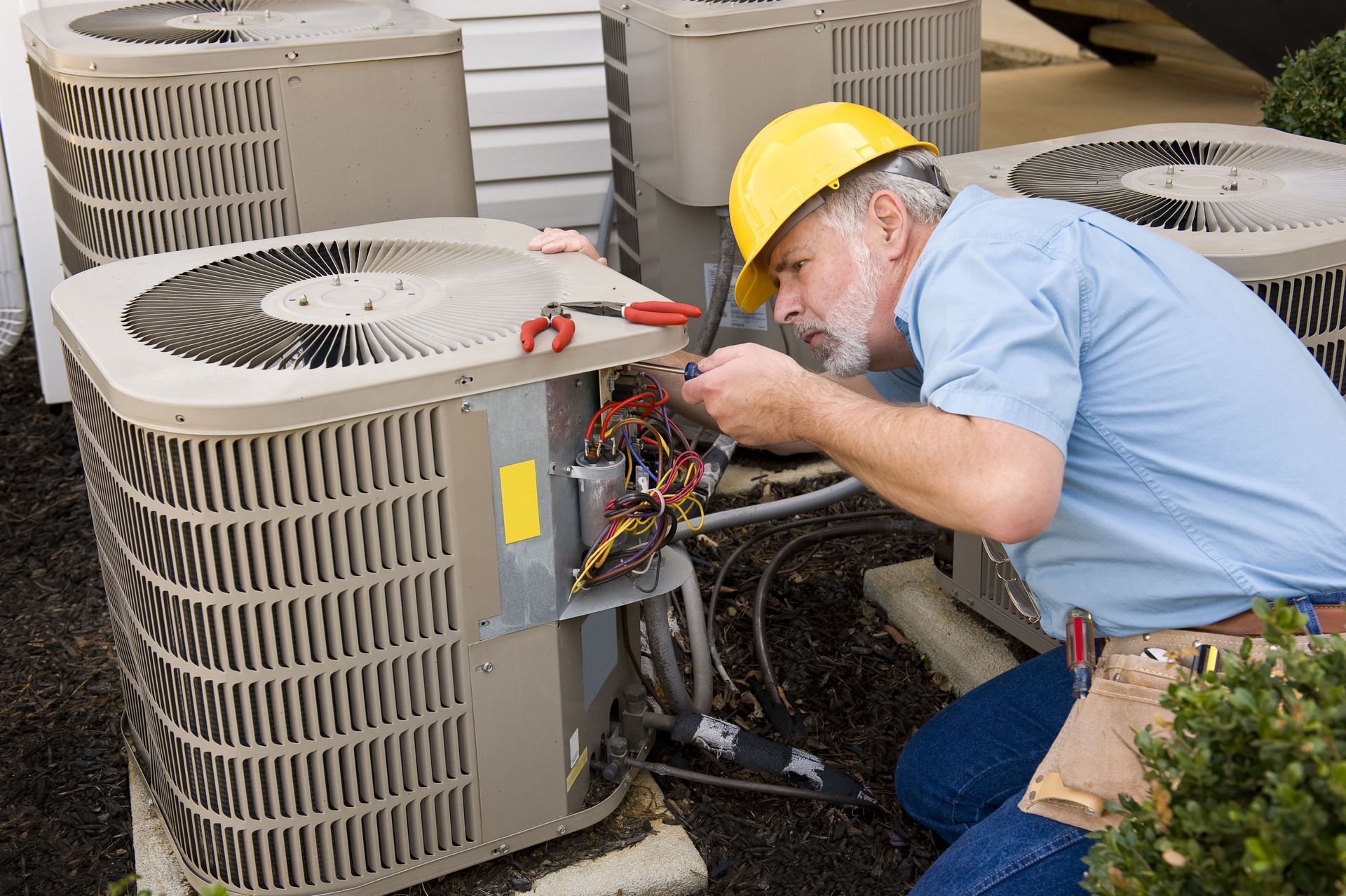
An insufficient chemical volume triggers dangerous operational conditions inside the cooling system. With diminished refrigerant, pressures inside the evaporator coil plummet, causing moisture on the coil surface to freeze into thick sheets of solid ice. Operating a unit while encased in ice causes severe thermal stress that can destroy the compressor pump. During regular AC maintenance, technicians attach precision pressure gauges to verify that refrigerant levels match exact manufacturer specifications. Technicians identify small leaks early, tighten valve fittings, and correct chemical imbalances before low pressure can cause terminal compressor damage.
Maintaining Optimal Thermodynamic Balance
Every cooling unit depends on a delicate thermodynamic equilibrium to transfer heat safely between indoor living areas and outdoor surroundings. When electrical components drift out of calibration, sensors misread temperatures, or thermostats send erratic signals, the entire cooling cycle becomes unbalanced. Faulty contactors, swollen capacitors, or loose electrical terminals can cause sudden electrical arcing that damages sensitive circuit boards. Furthermore, short cycling—where a system turns on and off rapidly without completing a full cooling cycle—places tremendous electrical stress on the compressor motor during startup.
Routine AC maintenance restores precision calibration across every electrical and thermodynamic circuit. Technicians test electrical capacitors for proper microfarad storage, tighten terminal connections, test safety shutoff switches, and verify thermostat calibration. By ensuring that electrical relays engage cleanly and temperature sensors report accurate data, technicians eliminate erratic cycling patterns that shorten equipment longevity. Maintaining balanced operating cycles keeps the system performing reliably within its engineered design specifications, shielding homeowners from sudden midseason breakdowns.
Neglecting seasonal service invites unnecessary wear that forces systems to work harder, run hotter, and fail years before their intended operational lifespan. Making regular AC maintenance a fundamental component of your home care routine ensures dependable cooling performance through every hot summer afternoon. Dedicated attention from experienced cooling technicians keeps your entire climate control setup running with peak capability and smooth reliability.
If you are ready for dependable cooling performance, contact us at Eco Air of SWFL today. We will help you protect your system with comprehensive maintenance, expert care, and lasting comfort for your entire household.