October 6, 2026
The installation of air conditioning systems plays a crucial role in enhancing cooling efficiency in residential and commercial spaces. With increasing concerns over energy costs and environmental impact, achieving maximum cooling efficiency is more important than ever. Let's delve into the various factors involved in AC installation that can significantly optimize cooling efficiency and reduce energy consumption.
Professional Installation
Expertise and Experience
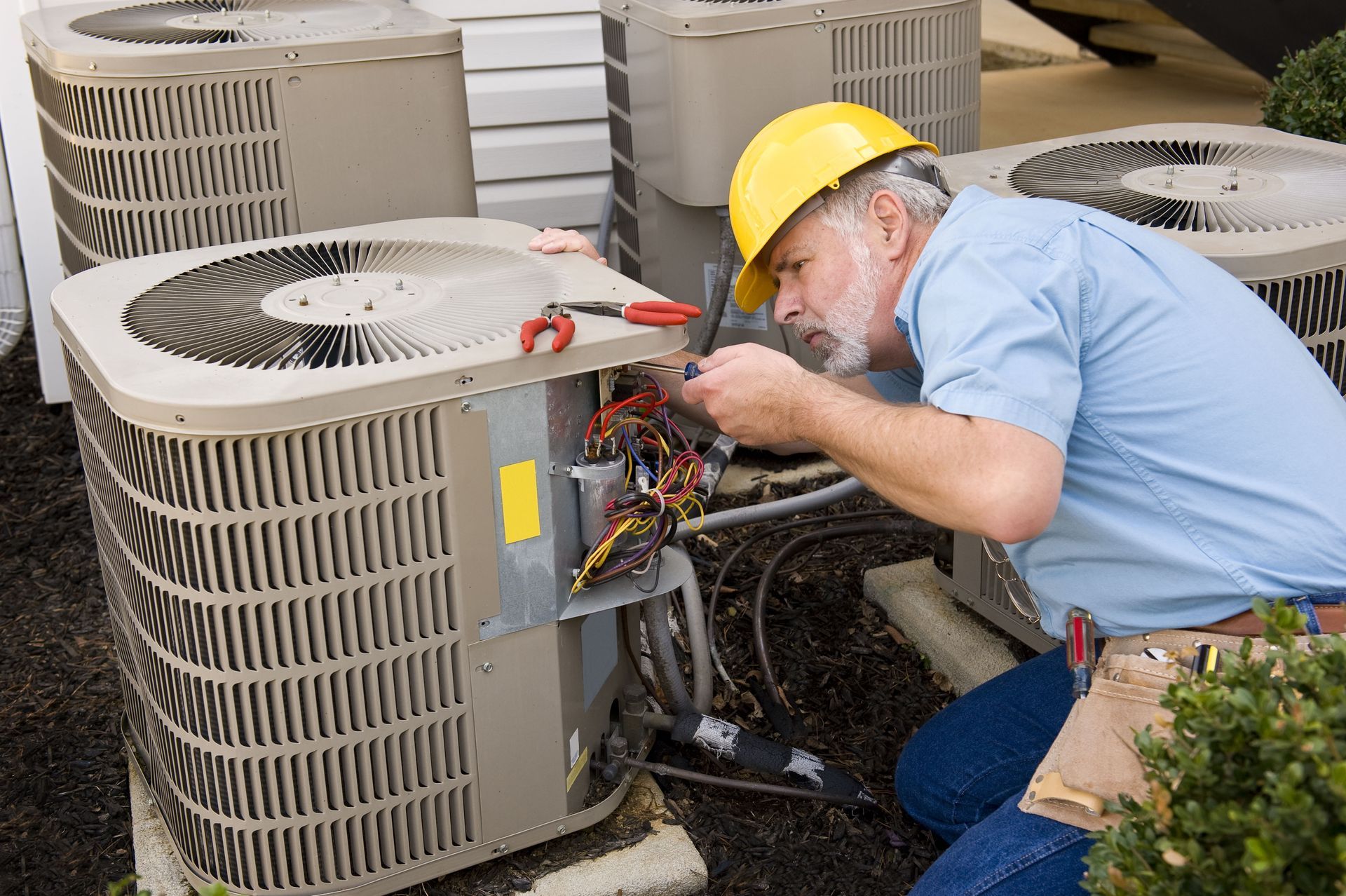
Hiring trained professionals is essential for proper air conditioning installation. According to WebX, 14.3 million HVAC units are replaced each year, emphasizing the high demand for skilled installers. These experts bring years of experience and specialized knowledge to ensure that installations are conducted diligently and precisely. A professional's expertise covers critical details, such as the correct placement and connection of components, which are foundational to system efficiency. Furthermore, professionals stay updated with the latest technological advancements, avoiding potential pitfalls that can hinder performance.
Correct Sizing and Equipment Selection
Selecting the correct size for an AC unit is paramount for efficient operations. Oversized units may cool quickly but fail to dehumidify, whereas undersized systems will constantly overwork, leading to higher energy consumption. Professional installers conduct calculations ensuring the equipment suits the specific cooling requirements of the space. By doing so, the system can maintain a consistent and comfortable temperature, optimizing energy use. This careful selection helps prevent needless energy waste and extends the system's life.
Avoiding Common Installation Mistakes
Untrained installers often make errors that can drastically reduce cooling efficiency. Common mistakes such as incorrect refrigerant levels, poor wiring, and improper placement of units can hinder system performance. These errors not only decrease efficiency but also increase operational costs and can potentially damage the equipment. Professionals meticulously avoid these pitfalls through rigorous adherence to industry best practices. By avoiding these mistakes, the installation enhances the overall effectiveness of the AC system.
Comprehensive System Testing
Comprehensive system testing is a critical step post-installation to ensure optimal AC performance. This involves checking for leaks, verifying electrical connections, and testing airflow through the system. Detailed testing identifies potential issues that may not be apparent during installation. Moreover, this rigorous check-up guarantees that every component is functioning correctly and efficiently. Such thorough testing not only optimizes efficiency but also minimizes the likelihood of future system failures.
Long-Term Maintenance Advice
Alongside AC installation, professionals offer invaluable maintenance advice to sustain cooling efficiency over the years. This guidance includes routine tasks like filter replacements, system clean-ups, and regular tune-ups. Following these recommendations helps maintain peak performance, preventing minor issues from developing into costly repairs. Regular professional inspections help in identifying areas where efficiency can be further enhanced. Thus, long-term maintenance advice is essential for maximizing the lifespan and energy efficiency of AC units.
System Design and Layout Considerations
Airflow Optimization
Optimal airflow is crucial for efficient cooling and requires careful design considerations. The placement of vents and ducts needs to be strategically conceived to ensure even distribution of cool air throughout the space. Poor airflow can result in hotspots, making some areas cooler than others, leading to inefficient system operation. Properly optimized airflow, however, will enable the AC system to operate at peak efficiency with balanced climate control. Therefore, emphasis on airflow optimization during system design is essential for enhanced efficiency.
Ductwork Design
The design of ductwork significantly influences energy efficiency by reducing energy losses. Poorly designed duct systems can lead to air leaks, which are a primary cause of efficiency loss and increased energy costs. A thoroughly planned ductwork layout minimizes resistance, allowing air to move freely and efficiently through the system. Moreover, well-insulated ducts prevent thermal losses, maintaining the desired temperature as air travels through the system. Therefore, efficient ductwork design is vital in reducing overall energy consumption and costs.
Strategically Placing Indoor Units
The strategic placement of indoor AC units can greatly enhance cooling efficiency. Placing units where airflow is unobstructed ensures that conditioned air is evenly distributed throughout the area. It's crucial to avoid placing units near heat-generating appliances or in direct sunlight to prevent overheating and overworking of the system. Optimizing unit placement not only improves efficiency but also enhances comfort levels in the indoor environment. By considering these factors during an AC installation, units can efficiently maintain desired cooling levels with minimal energy usage.
Insulation and Sealing
Proper insulation and sealing are critical in preventing the loss of cool air, thus enhancing cooling efficiency. Without adequate insulation, buildings can easily lose cooled air, forcing the system to use more energy to maintain temperature. Sealing gaps around windows, doors, and vents is also necessary to prevent unwanted heat exchange. Effective insulation and sealing ensure that the cool air remains within the desired space, reducing energy use and potential cost savings. Investing in high-quality insulation materials can thus yield significant improvements in system efficiency.
Consideration of Building Layout
The overall layout of a building has a significant influence on AC installation decisions and efficiency. Factors such as window placement, ceiling height, and room size all affect how an AC system is designed and its resultant efficiency. Professionals must evaluate these factors to create a comprehensive cooling plan that maximizes efficiency. Proper integration of layout considerations ensures that the AC system meets the specific demands of each space. Leveraging the building's design effectively allows for improved efficiency and performance of the cooling system.
Advanced Technologies in AC Systems
Inverter Technology
Inverter technology represents a significant advancement in AC efficiency by allowing variable motor speed. Traditional systems operate on a fixed cycle, leading to frequent on-off cycles that waste energy. In contrast, inverters adjust the compressor speed based on the required cooling load, enhancing precision and reducing energy waste. This technology leads to smoother operations, lower energy consumption, and more consistent indoor temperatures. Embracing inverter technology is a step toward maximizing both efficiency and comfort in AC systems.
Smart Thermostats
Smart thermostats have revolutionized the way cooling systems are managed, optimizing energy efficiency and reducing waste. These devices allow users to program cooling schedules and adjust temperatures remotely through smart gadgets. They employ algorithms to learn habits and preferences, automatically optimizing cooling patterns. Smart thermostats can provide insights into energy consumption, helping users make informed decisions for energy savings. Incorporating this technology contributes to significant reductions in energy costs and improved cooling efficiency.
Variable Refrigerant Flow
Variable refrigerant flow (VRF) systems offer versatility and efficiency in meeting diverse cooling needs. These systems adjust refrigerant flow according to the individual demands of different zones, leading to precise temperature control. VRF's ability to provide varying cooling outputs ensures energy is utilized effectively without unnecessary consumption. Furthermore, these systems are beneficial for larger and commercial spaces where different zones require specific cooling. By embracing VRF technology, significant improvements in cooling efficiency and performance can be achieved.
Energy-Efficient Compressors
Modern compressor technologies are pivotal in boosting the efficiency of AC units. High-efficiency compressors minimize energy usage while maximizing cooling output. Enhanced designs and materials reduce friction and energy losses, ensuring the system operates optimally. These compressors also adapt to the cooling demands, preventing unnecessary energy expenditure. By integrating energy-efficient compressors, AC systems maintain optimal performance with reduced energy costs.
Installing an air conditioning system correctly not only maximizes its individual performance but also contributes to overall energy savings and environmental conservation. By focusing on professional installation practices, homeowners and businesses can significantly boost their cooling efficiency, resulting in economic benefits and enhanced comfort. Get started with a professional AC installation today by reaching out to the experts at Eco Air of SWFL!